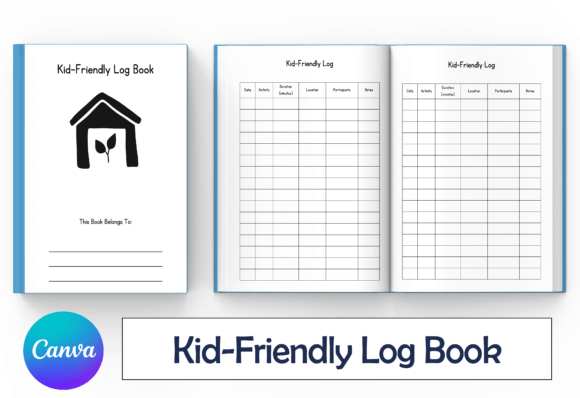
Kid-Friendly Log Book: A Strategic Tool for Creative and Practical Use
The Kid-Friendly Log Book is more than just a simple journal—it’s a versatile resource that can support a wide range of goals, from personal development to business strategy. Designed with both children and adults in mind, this log book offers a structured yet flexible format that encourages organization, creativity, and long-term planning. Whether you're an entrepreneur, educator, or parent, understanding how to use this tool effectively can lead to meaningful outcomes.
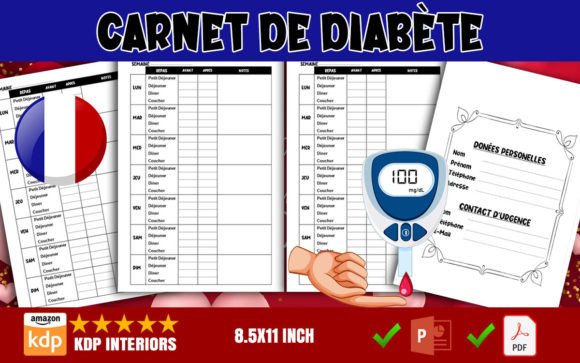
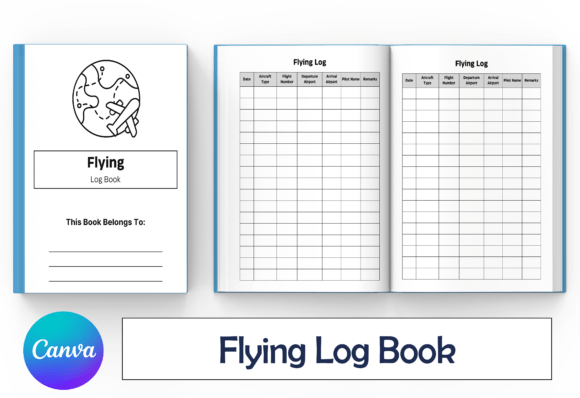
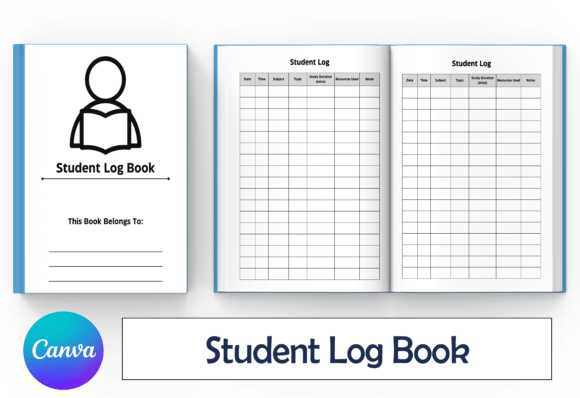
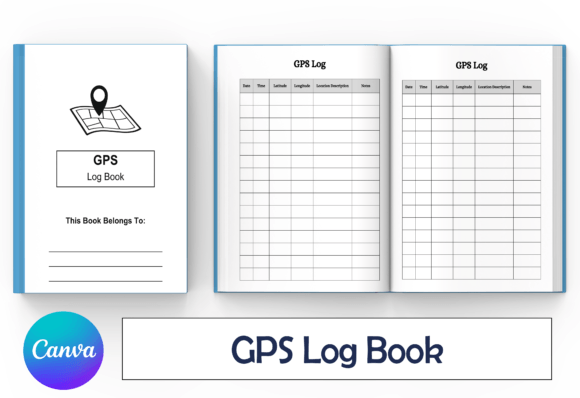
At its core, the Kid-Friendly Log Book serves as a platform for documenting experiences, tracking progress, and setting intentions. Its design—featuring clear layouts, engaging visuals, and easy-to-use sections—makes it accessible for users of all ages. For those looking to build a low-content Amazon KDP business, this log book provides a ready-made solution that’s both professional and practical.
Why the Kid-Friendly Log Book Matters for Strategic Use
Strategic thinking requires clarity, structure, and consistency. The Kid-Friendly Log Book helps users establish these elements by offering a visual and tactile way to organize thoughts and actions. For educators, it can be used to track student progress and create personalized learning plans. For entrepreneurs, it can serve as a daily reflection tool that supports decision-making and goal alignment.
One of the key advantages of this log book is its adaptability. It can be customized to fit specific needs, whether that’s a child’s daily routine, a creative project timeline, or a business plan. This flexibility makes it a valuable asset for anyone looking to improve their productivity or communication skills.
Moreover, the log book’s design aligns with modern trends in learning and development. With a focus on visual engagement and interactive elements, it supports different learning styles and encourages active participation. This makes it especially useful in educational settings or for families seeking to foster a culture of curiosity and growth.
How to Use the Kid-Friendly Log Book for Better Results
To get the most out of the Kid-Friendly Log Book, it’s important to approach it with intention. Start by identifying your primary objective—whether that’s tracking daily habits, managing a project, or supporting a child’s learning journey. Once you have a clear purpose, you can customize the log book to suit your needs.
For example, if you’re using it for personal development, consider adding sections for goal setting, reflection, and action steps. If you’re using it in a classroom, you might focus on behavior tracking, activity logs, and progress reports. The key is to tailor the content to your specific situation while maintaining a consistent structure.
Another effective strategy is to use the log book as a communication tool. For parents, it can help facilitate conversations about daily routines, challenges, and achievements. For professionals, it can serve as a visual aid during meetings or presentations, making complex ideas more digestible and engaging.
When to Use the Kid-Friendly Log Book and What to Consider
The Kid-Friendly Log Book is best suited for situations where documentation, reflection, and planning are essential. This includes personal projects, team collaboration, educational programs, and even small business operations. It’s particularly useful when you need to maintain a record of activities over time or track the impact of specific actions.
Before relying on the log book, consider the following factors: Is the format suitable for your intended use? Are the sections and templates aligned with your goals? Will the log book be easy to update and maintain? These questions can help ensure that the tool remains relevant and effective over time.
Additionally, think about the audience you’re targeting. If you’re creating content for children, the log book should be visually appealing and age-appropriate. If you’re using it for professional purposes, focus on clarity, accuracy, and consistency. Tailoring the log book to your audience will increase its effectiveness and user engagement.
Practical Examples of Using the Kid-Friendly Log Book
There are countless ways to apply the Kid-Friendly Log Book depending on your needs. Here are a few examples:
- Personal Development: Use the log book to track daily goals, habits, and reflections. This can help you stay accountable and identify patterns that contribute to success or setbacks.
- Educational Use: Teachers can use the log book to monitor student progress, assign tasks, and encourage self-assessment. It can also be used as a tool for project-based learning.
- Business Planning: Entrepreneurs can use the log book to outline business strategies, track milestones, and document lessons learned. It can also serve as a reference for future planning and decision-making.
- Family Organization: Parents can use the log book to manage household schedules, track children’s activities, and communicate expectations. It can also be a fun way to celebrate achievements and set new goals.
Strategic Observations and Decision-Making Guidance
Using the Kid-Friendly Log Book strategically involves more than just filling in the blanks—it requires thoughtful observation and informed decision-making. Take time to review the entries regularly and look for trends, insights, or areas for improvement. This can help you make data-driven decisions and adjust your approach as needed.
It’s also important to recognize the potential risks of using the log book without clear goals or context. Without a defined purpose, the log book may become a passive tool that doesn’t deliver meaningful results. To avoid this, set specific objectives and align your use of the log book with those goals.
Finally, consider integrating the log book into a broader system of tools and practices. For example, pair it with a digital planner, a task management app, or a journaling habit to create a comprehensive approach to planning and reflection.
Long-Term Value and Continuous Improvement
The true value of the Kid-Friendly Log Book lies in its ability to support long-term growth and continuous improvement. By consistently using it to track progress, reflect on experiences, and set new goals, you can build a foundation for sustained success.
As you refine your approach, you may find opportunities to enhance the log book further. This could involve adding new sections, experimenting with different formats, or incorporating feedback from users. The goal is to keep the tool evolving alongside your needs and aspirations.
Ultimately, the Kid-Friendly Log Book is more than just a product—it’s a mindset. When used intentionally, it can help you achieve greater clarity, focus, and results in both personal and professional contexts.
Conclusion: Embrace the Kid-Friendly Log Book as a Strategic Asset
The Kid-Friendly Log Book offers a unique blend of functionality and creativity that can benefit a wide range of users. Whether you’re an educator, entrepreneur, parent, or lifelong learner, this tool has the potential to enhance your planning, communication, and overall effectiveness.
By approaching the log book with intention and adaptability, you can unlock its full potential and create lasting value. As you explore its features and applications, remember that the key to success lies in how you choose to use it. With the right strategy, the Kid-Friendly Log Book can become an essential part of your toolkit for achieving your goals.