GPS Log Book: A Practical Tool for Tracking Your Journey
In today's fast-paced world, keeping track of your travels, business trips, or personal adventures can be a challenge. Enter the GPS Log Book—a simple yet effective tool designed to help you record and manage your journeys with ease. Whether you're a professional driver, a small business owner, or someone who loves to explore, a GPS Log Book can offer valuable insights and organization. This article will guide you through the features, uses, and benefits of a GPS Log Book, making it easier for you to decide if it's the right fit for your needs.
What is a GPS Log Book?
A GPS Log Book is a digital or physical document used to record information about your travel activities. It typically includes details such as the date, time, location, distance traveled, and other relevant data points. The primary purpose of a GPS Log Book is to provide a structured way to track your movements, which can be especially useful for businesses that require accurate records of their operations.
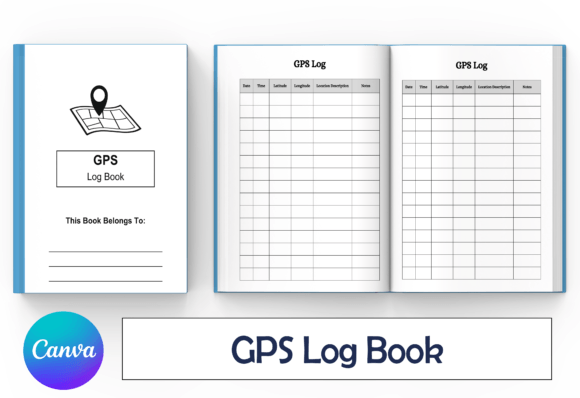
Unlike traditional log books, a GPS Log Book often integrates with GPS technology, allowing users to automatically capture location data. This feature not only saves time but also ensures accuracy in tracking. For those looking for a ready-to-use solution, the GPS Log Book KDP Canva Template offers a convenient option, providing a customizable design that can be easily adapted to suit various needs.
Key Features of a GPS Log Book
- Editable Source Files: Many GPS Log Books come with editable source files, allowing users to customize the content and layout according to their preferences.
- Print-Ready PDFs: These documents are often formatted for printing, ensuring that they look professional when printed on standard paper sizes like 8.5×11 inches.
- High-Resolution Interiors: The quality of the interior pages is crucial for readability and professionalism, especially when using the log book for business purposes.
- No Bleed Required: This means that the design does not need additional space around the edges, simplifying the printing process.
Who Can Benefit from a GPS Log Book?
The versatility of a GPS Log Book makes it suitable for a wide range of users. Here are some examples of who might find it beneficial:
- Professional Drivers: Truckers, delivery drivers, and taxi operators can use a GPS Log Book to track their routes, fuel consumption, and working hours, which is essential for compliance with industry regulations.
- Small Business Owners: Businesses that rely on transportation, such as catering services or field technicians, can benefit from accurate records of their operations.
- Travel Enthusiasts: For those who enjoy road trips or exploring new places, a GPS Log Book can serve as a personal journal, documenting each journey with detailed notes and locations.
- Freelancers and Consultants: Professionals who travel frequently for meetings or client visits can use a GPS Log Book to keep track of their expenses and time spent on the road.
Real-World Applications of a GPS Log Book
Consider the following scenarios where a GPS Log Book proves to be invaluable:
- Business Compliance: A logistics company may use a GPS Log Book to ensure that their drivers adhere to hours-of-service regulations, preventing potential legal issues.
- Expense Tracking: A sales representative traveling to meet clients can log their mileage and expenses, which can later be submitted for reimbursement.
- Personal Organization: An individual planning a cross-country road trip can use a GPS Log Book to plan stops, track distances, and note interesting locations along the way.
Strengths and Considerations
While a GPS Log Book offers numerous advantages, it's important to consider its limitations. One of the main strengths is its ability to streamline the logging process, reducing the chances of human error. However, users should be aware that relying solely on GPS data may not always be accurate, especially in areas with poor signal coverage.
Additionally, the effectiveness of a GPS Log Book depends on how consistently it is used. If not maintained regularly, the data recorded may become outdated or incomplete. It's also essential to choose a log book that aligns with your specific needs, whether you prefer a digital format or a physical one.
Choosing the Right GPS Log Book for Your Needs
When selecting a GPS Log Book, consider the following factors:
- Customization Options: Look for a log book that allows you to add personal notes, adjust layouts, or include specific fields relevant to your work.
- Compatibility: Ensure that the log book is compatible with your preferred software or tools, especially if you plan to integrate it with other systems.
- Quality and Design: A well-designed log book not only looks professional but also enhances usability. Check for high-resolution images and clear fonts.
Conclusion
A GPS Log Book can be an invaluable tool for anyone looking to track their travels, whether for business or personal reasons. With features like editable source files, print-ready PDFs, and high-resolution interiors, it offers a versatile solution that can be tailored to fit various needs. By understanding its purpose, applications, and limitations, you can make an informed decision about whether a GPS Log Book is the right choice for you. Whether you're a professional driver, a small business owner, or an adventurous traveler, a GPS Log Book can help you stay organized and informed on the go.