Mental Health Self Care Planner: A Strategic Tool for Better Outcomes
The Mental Health Self Care Planner is more than a simple journal—it’s a structured approach to maintaining well-being while supporting long-term goals. Designed for professionals, entrepreneurs, and creatives, this planner offers a comprehensive framework for managing mental health through intentional planning and reflection. Whether you’re balancing a demanding career or building a low-content business, the Mental Health Self Care Planner provides actionable tools to enhance productivity, creativity, and emotional resilience.
Why Mental Health Self Care Planner Matters in Modern Life
In today’s fast-paced environment, mental health often takes a backseat. The Mental Health Self Care Planner addresses this gap by offering a customizable system that aligns with personal and professional needs. It allows users to track progress, set realistic goals, and reflect on daily experiences. This structured approach helps prevent burnout, improves focus, and supports decision-making by creating clarity around priorities.
For those running a low or no-content business, the Mental Health Self Care Planner serves as both a self-care tool and a strategic asset. It helps maintain consistency, manage stress, and stay aligned with long-term objectives. By integrating mental health practices into daily routines, users can build sustainable habits that contribute to overall success.
How to Use Mental Health Self Care Planner Strategically
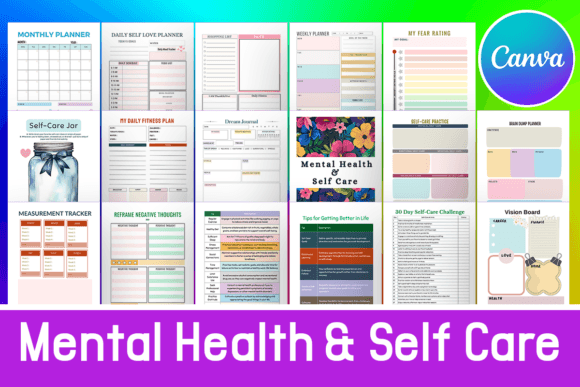
The true value of the Mental Health Self Care Planner lies in its flexibility. With 31 pages, including monthly planners, habit trackers, and gratitude journals, it adapts to different lifestyles and goals. Here’s how to make the most of it:
- Set Clear Intentions: Begin by identifying your primary goals—whether they relate to work, health, or personal growth. Use the Monthly Goals Planner to outline key milestones and break them into manageable steps.
- Track Progress Daily: The Habit Tracker and Daily Fitness Plan help monitor consistent efforts. Regularly updating these sections reinforces accountability and highlights areas for improvement.
- Reflect and Adjust: The Monthly Reflection and Self Love Questions sections encourage periodic evaluation. Use this time to assess what’s working, what’s not, and how to refine your approach.
By using the Mental Health Self Care Planner as a guide rather than a rigid schedule, users can adapt it to their unique needs. This ensures that the planner remains a valuable resource over time.
Key Features That Support Long-Term Value
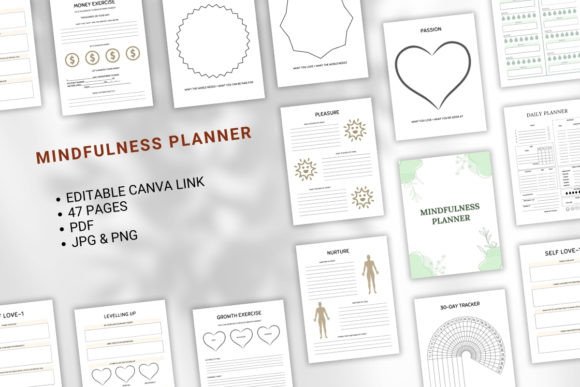
The Mental Health Self Care Planner includes a variety of elements designed to support holistic well-being. From the Medication Tracker to the Dream Journal, each section contributes to a balanced approach to mental health. Here are some standout features:
- Monthly Gratitude Tracker: Encourages a positive mindset by highlighting daily blessings. This practice can improve mood and reduce stress over time.
- Brain Dump Planner: Helps organize thoughts and ideas, preventing overwhelm and improving focus during creative or analytical tasks.
- 30 Day Self-Care Challenge: Offers a structured way to prioritize self-care activities, making it easier to establish healthy habits.
These features work together to create a personalized system that supports both mental and practical outcomes. The ability to add custom elements via the Canva template further enhances its utility, allowing users to tailor the planner to their specific needs.
Choosing the Right Format: Canva Template for Customization
The Mental Health Self Care Canva Template offers a powerful way to personalize the planner. With access to Canva Free and Pro versions, users can easily edit layouts, add images, and adjust colors to match their preferences. This flexibility makes it ideal for those who want to integrate branding, aesthetics, or unique design elements into their self-care routine.
Using the Canva template, you can:
- Customize Page Layouts: Rearrange sections, adjust fonts, or change color schemes to better suit your style.
- Add Visual Elements: Incorporate icons, illustrations, or photos that resonate with your personal journey.
- Update Content Dynamically: Modify templates as your needs evolve, ensuring the planner remains relevant over time.
This level of customization ensures that the Mental Health Self Care Planner isn’t just a tool—it’s a living document that grows with you.
When to Use the Mental Health Self Care Planner
The Mental Health Self Care Planner is most effective when used consistently and intentionally. Here are some scenarios where it can be particularly helpful:
- During Transitions: When starting a new project, job, or life phase, the planner helps maintain stability and clarity.
- Before Major Decisions: Use the Vision Board and Self-Care Jar sections to visualize goals and identify potential obstacles.
- After Challenging Periods: The Reflection and Fear Rating tools help process emotions and rebuild confidence.
By incorporating the planner into regular routines, users can build a stronger connection between mental health and productivity.
Potential Risks of Using the Mental Health Self Care Planner Without Clarity
While the Mental Health Self Care Planner is a valuable resource, it’s important to use it with purpose. Without clear goals or context, it can become a passive exercise that doesn’t lead to meaningful results. Some risks include:
- Overwhelm: Too many sections or unstructured entries can lead to confusion and frustration.
- Disengagement: If the planner doesn’t align with personal values or goals, it may lose effectiveness over time.
- Passive Use: Simply filling out pages without reflection or action may not drive real change.
To avoid these pitfalls, it’s essential to approach the planner with intention. Start small, focus on one or two areas at a time, and regularly evaluate how it supports your broader objectives.
Strategic Observations for Long-Term Success
The Mental Health Self Care Planner is most impactful when integrated into a larger strategy. Consider the following observations:
- Align with Business Goals: For entrepreneurs, use the planner to balance work demands with self-care, ensuring sustained energy and creativity.
- Enhance Communication: Reflect on how mental health impacts interactions with clients, colleagues, or customers. Improved well-being often leads to better communication and collaboration.
- Support Learning and Growth: The planner can serve as a tool for tracking progress in new skills, habits, or knowledge acquisition.
By viewing the Mental Health Self Care Planner as part of a broader strategy, users can unlock deeper insights and achieve more sustainable outcomes.
Final Thoughts: Intentional Use Leads to Better Results
The Mental Health Self Care Planner is a powerful tool when used with purpose. Its combination of structure, flexibility, and customization makes it ideal for professionals, creators, and anyone looking to improve mental well-being while achieving practical goals. By focusing on clarity, consistency, and intentionality, users can transform this planner into a cornerstone of their daily routine.